Explainer
Can You Wood Burn Plywood, MDF and Cork? Safety and Results
Published
As an Amazon Associate we earn from qualifying purchases. This does not change our picks. Affiliate disclosure
New to Prime? Try Prime free for fast, free shipping on eligible items.
Short answer
Yes for plywood, but only if the burn stays in the top veneer: the pyrography teacher Sue Walters says to burn only the top wood veneer and to avoid burning through to the glue layer. No for MDF and other man-made board: the same source says to absolutely avoid them because they contain carcinogenic materials. Cork can be burned at low heat.
Gear for this job
All 7 picks comparedFoggy Bottom basswood plaques, 10 x 8 in, 5-pack
See price on AmazonSee it on AmazonWilson Basswood Round Wood Slices, 4 Pack
See price on AmazonSee it on AmazonMineIdea Unfinished Gothic Arch Wood Plaques, 12
See price on AmazonSee it on Amazon
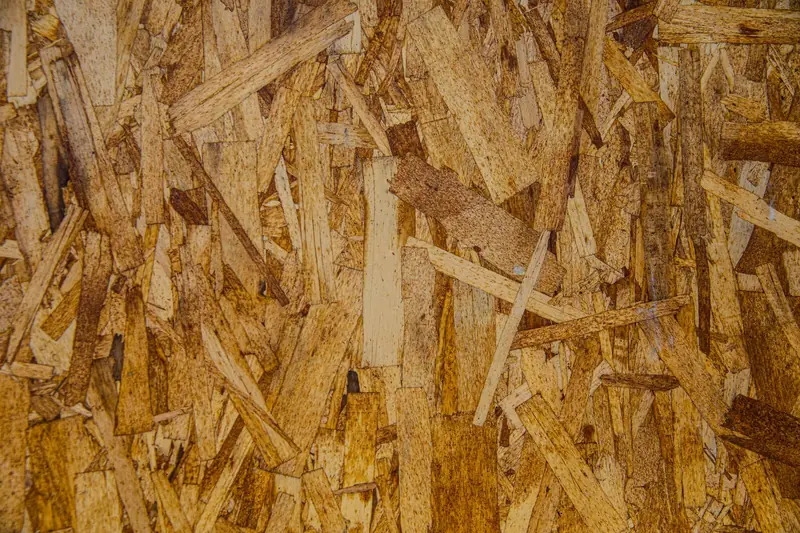
Plywood is the flat board every hardware store has, so it is the first thing many people try to burn. It is real wood on the surface and glue underneath: thin layers of veneer bonded together. Interior plywood is typically bonded with urea-formaldehyde glue, and exterior grades with phenol-formaldehyde. MDF and particle board are a different product, with resin through the whole board. This page goes material by material and states what named sources warn against. It makes no safety claim of its own.
Plywood, MDF and cork under a wood burning pen: the verdicts
The answer depends on what is under the tip. On plywood it is a thin layer of real wood. On MDF and particle board it is resin-bound fiber or chips from the first touch. The table gives the verdict for each material and where the verdict comes from.
| Material | Burn it? | Condition or source |
|---|---|---|
| Birch plywood, bare | Only if | The burn stays in the face veneer. Lines: medium to high band |
| Basswood plywood, bare | Only if | The burn stays in the face veneer. Lines: low to medium band |
| Construction plywood | Poor choice | Sue Walters: buy plywood from a plywood or cabinet maker supplier |
| MDF | No | Sue Walters: absolutely avoid, it contains carcinogenic materials |
| Particle board, other man-made board | No | Same rule as MDF: never burn man-made board |
| Painted, stained, varnished or treated plywood | No | Burn only bare, untreated wood |
| Cork, plain and unsealed | Yes, low heat | Walnut Hollow lists cork in dial zones 2 and 3 of 4 |
Pyrography on plywood: stay in the face veneer
Plywood is workable when the face is a pale, even wood, which usually means birch or basswood. Sue Walters's burning FAQ treats plywood as a normal surface with one condition: burn only the top wood veneer, and avoid burning through to the glue layer. That makes plywood a surface for light and medium burns. Deep, black, carved-in lines are the ones that go down toward the glue.
Three habits keep the burn in the veneer. Use light pressure and let heat, not force, make the mark. Stay out of the very high band, which cuts into the surface. And sand lightly, 220 to 320 grit with the grain, just enough to smooth the face, because every pass of sandpaper makes a thin veneer thinner. If a stroke exposes a different layer or a glue line, stop burning at that spot.
What sources warn about plywood glue and the wood burning pen
The warning is about the glue layer. Sue Walters: avoid burning through to it. The reason lies in what the glue is. Wikipedia's plywood article states that interior plywood is typically bonded with urea-formaldehyde glue, and exterior or marine plywood with phenol-formaldehyde or resorcinol-formaldehyde glue. It adds that both urea formaldehyde and phenol formaldehyde are carcinogenic in very high concentrations.
Some plywood is made to low-emission ratings, and the label may say so. No source read for this page says what any plywood glue gives off under a hot tip, whatever its rating. So this page gives no reassurance about any grade, and the rule is the same for all of them: keep the burn in the face veneer.
Note.Burn only bare, untreated wood, with ventilation: an open window and a fan or extractor that pulls smoke away from your face without blowing on the tip. A dust mask does not filter smoke or gases.
Heat settings for a wood burning pen on plywood
Set the heat for the face species, not for plywood as such. A birch face starts in the medium to high band for lines, 550 to 950 F (290 to 510 C), and in medium for shading. A basswood face starts lower: low to medium for lines, 400 to 750 F (200 to 400 C), and low for shading. These are general guide ranges, so confirm them on an offcut of the same sheet. The wood burning temperature chart has both faces as rows.
Begin at the bottom of the range. A setting that leaves an even toast-brown line is enough. Colwood's sign of too much heat is a tip that glides with no drag and leaves a black line. On plywood that is also the setting most likely to go through the veneer.
Can you pyrography MDF or particle board?
No. Sue Walters's FAQ groups MDF with treated timber and says to absolutely avoid burning on these materials: in its words, they contain carcinogenic materials and are not safe to burn on. This site follows that without qualification. Never burn MDF, particle board or other man-made board.
The difference from plywood is where the resin is. Wikipedia's MDF article gives a typical make-up of 82 percent wood fiber, 9 percent urea-formaldehyde resin glue, 8 percent water and 1 percent paraffin wax. The resin is mixed through the whole board, so there is no veneer of plain wood to stay inside. If a craft blank's listing says MDF or fiberboard, paint it. Do not burn it.
Can you wood burn cork with a pyrography pen?
Yes, at low heat. Cork is the bark of the cork oak, not a man-made board. Walnut Hollow's Versa-Tool instructions list cork in zones 2 and 3 of 4 on the dial, alongside wood. No verified temperature for cork exists, so use the lowest wood settings and go by a test piece. A one-heat pen cannot be turned down, so on cork it has to be controlled with speed: a light touch and quick strokes.
Two cautions. Cork board and many cork sheets are made from cork granules pressed together, and listings rarely say what binds them. And sealed, printed or backed cork is not bare material. Buy plain, unsealed cork, test on a spare piece and ventilate as you would for wood. For burning indoors in general, see is pyrography safe.
Choosing plywood for the pyrography pen at the store
Sue Walters's advice is to choose a light-colored timber without a lot of grain pattern, and to buy from a plywood or cabinet maker supplier, where the quality is better than construction grade. She names poplar and birch plywood among the good ones. For solid wood, the pyrography wood chart compares 12 species.
- Face species: birch, basswood or poplar. Pale, with little grain pattern, so the burn has contrast.
- Surface: bare. No paint, stain, varnish or factory sealer. See burning on finished wood.
- Face quality: no patches, filler or splits on the side you will burn. Filler is not bare wood.
- Grade: not pressure-treated, and not sheathing made for construction.
Quick answers
Short answers by material. Each verdict names its source. Heat bands are a general guide to confirm on an offcut of the same sheet.
- Can you pyrography plywood? Yes, if the burn stays in the top veneer. Sue Walters: avoid burning through to the glue layer.
- Can you pyrography MDF? No. Sue Walters says to absolutely avoid it because it contains carcinogenic materials.
- Can you wood burn cork? Yes, at low heat. Walnut Hollow lists cork in dial zones 2 and 3 of 4. Use plain, unsealed cork.
- Which plywood suits pyrography on plywood? Birch or basswood faced plywood with a pale, even, bare surface.
What you need for this
- See price on AmazonAmazon
Foggy Bottom basswood plaques, 10 x 8 in, 5-pack
From Best Wood Blanks for Pyrography: Rounds, Plaques and Ornaments
- See price on AmazonAmazon
YIHUA 948DQ-I tilting fume extractor, dual filter
- See price on AmazonAmazon
YIHUA 939D-VII 2-in-1 station, solid and wire pens
From Best Wood Burning Tools With Adjustable Temperature Control