Explainer
Is Pyrography Safe? Smoke, Ventilation, Masks and Burning Indoors
Published
Short answer
Pyrography has three known hazards: smoke, hot metal and the wrong material. The EPA describes wood smoke as a mix of gases and fine particles and names the fine particles as its biggest health threat. Pyrography teachers say to burn only bare natural material, never treated wood, MDF, finished wood or plastic, and to draw the smoke away with a fan or extractor.
This page gathers what named sources publish about the risks of a wood burning pen. It gives no verdict of its own. This site reads manuals and reference pages, it does not test, and none of the sources checked measured the smoke from a craft pen. Two things decide how much smoke you make, according to pyrography teacher Sue Walters: how hot you burn and what you burn on. A third decides how much of it reaches you: where the air moves. Questions about your own health belong with a doctor, not with a hobby site.
Is smoke from a wood burning pen bad for you?
The US Environmental Protection Agency describes smoke from burning wood as a complex mixture of gases and fine particles. It lists benzene, formaldehyde, acrolein and polycyclic aromatic hydrocarbons among the toxic air pollutants in wood smoke, and it calls the fine particles, PM2.5, the biggest health threat from smoke. That page belongs to the EPA's Burn Wise program on burning wood for heat. It does not cover craft pens, and none of the sources checked for this page puts a number on the smoke from a pen.
On the hobby side, Sue Walters writes that the amount of smoke depends on how hot you burn and on the material, and that texturing, cutting and heavy black burning produce smoke. In the terms of the temperature chart, heavy black burning is work in the high and very high heat bands, above about 750 F (400 C). None of these sources names an amount of pen smoke that is fine to breathe, so this page does not either.
Materials you should never burn with a pyrography pen
The sources agree on the rule: burn bare, natural, untreated material only. Sue Walters advises burning only on natural materials, and Wood Burn Corner asks for wood that is dry, sanded and free of chemical treatment. The table lists the materials they rule out and the reason each source gives.
Each case has its own page: plywood, MDF and cork, finished, stained and painted wood and leather.
| Material | What the source says | Source |
|---|---|---|
| Pressure-treated or preservative-treated wood | Avoid absolutely: it contains carcinogenic materials | Sue Walters |
| MDF and other man-made board | Same answer as treated wood: avoid absolutely | Sue Walters |
| Painted, stained, varnished or sealed wood | Never burn on anything with a finish: coatings, paint or even stain | Wood Burn Corner |
| Plywood | Burn only the top veneer. Do not burn through to the glue layer | Sue Walters |
| Plastic, acrylic sheet, plexiglass | Toxins could be released when heated. Her advice: do not burn on plastics | Sue Walters |
| Chromium-tanned leather | Do not burn on it. Vegetable-tanned leather only | Sue Walters |
Note.A finish is not always visible. If you do not know what a board is made of or what is on it, it does not meet the bare, untreated rule.
Pyrography ventilation: fan direction and smoke extractors
Both hobby sources describe work at a desk, and both pair it with smoke control. Neither says that burning indoors without it is fine. Their measures come down to two things: keep your face out of the plume, and move the smoke away from you.
Fan direction matters for the burn as well. Colwood, a burner maker, lists burning near a fan or outdoors as a cause of inconsistent heat, because moving air cools the tip. A fan that pulls air away from the work, instead of blowing across it, deals with both problems.
- Tilt the work, or work with your face to the side, so your head is not over the spot you are burning. Sue Walters and Wood Burn Corner both give this advice.
- Use a fan to draw the smoke away. Sue Walters says not to point the fan at your work.
- Wood Burn Corner places the fan right next to the work, facing away from you, so it pulls smoke from your face.
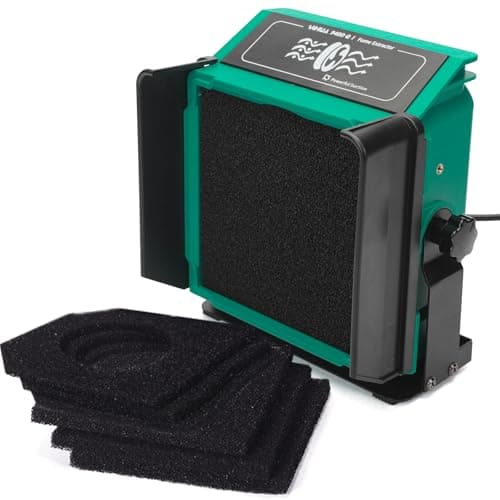
- Add a smoke extraction and filtration unit, the third measure Sue Walters names. Wood Burn Corner notes that you have to work close to a portable extractor.
- Smoke lingers in the room after a session, Wood Burn Corner points out. It suggests an air purifier with carbon filters for the smell.
Do you need a mask for pyrography?
No source checked says a mask replaces moving the smoke away, and the type of mask matters. NIOSH, the US agency that approves respirators, states that filtering facepiece respirators such as the N95 protect against particles and do not protect against gases or vapors. Wood smoke, in the EPA's description, is both. NIOSH says elastomeric half-mask respirators protect against gases, vapors and particles when fitted with the appropriate filter, cartridge or canister.
Wood Burn Corner recommends a mask rated P-95 or higher with carbon filters, and tells readers to check that the rating is high enough for smoke. A plain paper dust mask is sold for sanding dust and carries no gas or vapor rating. NIOSH describes both of its respirator types as tight-fitting: they are built to seal around the nose and mouth.
Note.Wood Burn Corner's advice for any session: take breaks often, and if you feel dizzy or a headache starts while burning, stop and look at your setup again.
Burn prevention: hot tips, the pen stand and tip changes
The tip and the metal barrel of a solid-point pen run at up to 950 F (510 C) on makers' figures, hot enough to char wood, and they stay hot for a while after the switch is off. The makers' instructions on this are short and specific.
- Tape the stand to the table and put the pen on it whenever it is not in your hand, so the tip touches nothing (Walnut Hollow).
- Do not touch the tip or the metal parts. Hold the pen on the grip like a large pencil, with the cord behind your hand (Walnut Hollow).
- Change solid tips only when the pen has cooled completely, and use pliers (Walnut Hollow). On a wire-nib unit, turn the power off before changing tips or pens (Colwood).
- Turn the unit off whenever you leave it, and keep it out of reach of children: tips are sharp and very hot (Colwood). Wood Burn Corner adds that you should unplug it too.
- Walnut Hollow recommends its wire-nib Creative Woodburner for ages 14 and up with adult supervision.
Pyrography risk assessment: hazards and controls in one table
For a class, a club or a school project, the same sources can be laid out as a simple risk table. Each control below is one that a named source gives. It is a summary of published advice, not a certified assessment.
| Hazard | Where it comes from | Control the sources give |
|---|---|---|
| Smoke: gases and fine particles | Any burn, more with hot, dark or textured work | Fan drawing smoke away, extractor, face out of the plume |
| Fumes from the wrong material | Treated or finished wood, MDF, glue lines, plastic, chromium-tanned leather | Bare, natural, untreated material only |
| Skin burns | Tip and metal barrel, tip changes | Stand taped down, pen fully cool, pliers |
| Hot pen left unattended | A unit left switched on | Off and unplugged when you leave, out of reach of children |
| Sanding dust | Sanding before and after burning | A particle respirator: NIOSH says N95 types protect against particles |
Quick answers
Short answers, each one taken from the sources named above. None of them is a verdict by this site on what is or is not safe.
- Is pyrography safe? No source checked gives a blanket yes. They give controls: bare natural material, smoke drawn away from your face, and care with the hot tip.
- Is wood burning smoke bad for you? The EPA says wood smoke is a mix of gases and fine particles and calls the fine particles the biggest health threat from smoke.
- Do you need a mask for pyrography? Wood Burn Corner recommends P-95 or higher with carbon filters. NIOSH says N95-type respirators protect against particles, not gases or vapors.
- Can you use a wood burning pen inside? The hobby sources describe desk work paired with a fan that draws smoke away or an extractor. Neither says it is fine without one.
- What should you never wood burn? Treated wood, MDF, painted, stained or sealed wood, plastics and chromium-tanned leather.
What you need for this
 See price on AmazonAmazon
YIHUA 948DQ-I tilting fume extractor, dual filter
 See price on AmazonAmazon
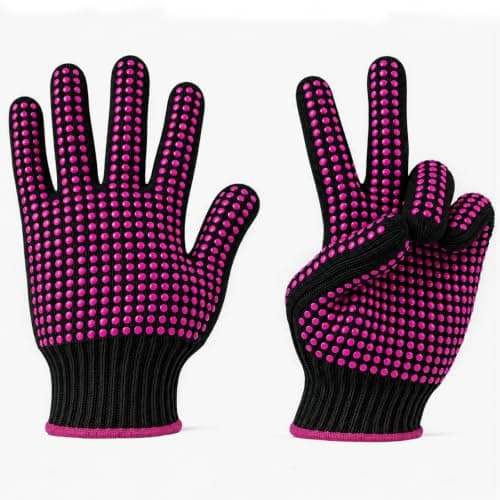
HTVRONT heat resistant gloves, 2 pcs, silicone bumps
From Best Pyrography Gloves and Finger Protectors for Wood Burning
 See price on AmazonAmazon
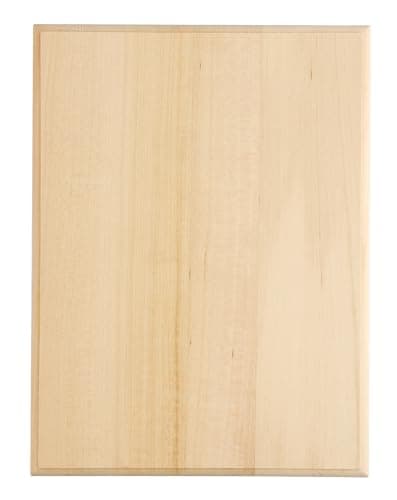
Foggy Bottom basswood plaques, 10 x 8 in, 5-pack
From Best Wood Blanks for Pyrography: Rounds, Plaques and Ornaments